Knowledge Base · 33 articles
Cybersecurity Resources
Field-tested guides, playbooks, and explainers across cloud security, AppSec, IAM, compliance, and AI security — written for the people actually shipping the controls.
Field-tested guides, playbooks, and explainers across cloud security, AppSec, IAM, compliance, and AI security — written for the people actually shipping the controls.
A deep-dive into the DPDP Act's Rule 6, explaining the mandatory security safeguards like encryption, access control, and logging, and how to prove compliance using ISO 27001 or SOC 2.
Learn the five pillars of valid consent under the DPDP Act, how to design compliant sign-up forms, and the common mistakes that make consent invalid.
Discover the three common ways hackers break in—phishing, stolen credentials, and misconfigurations. Learn the four stages of a cyber attack and how to break the chain.
A complete, jargon-free guide to India's Digital Personal Data Protection Act, 2023 — who it applies to, consent and notice, data principal rights, penalties up to ₹250 crore, the 2027 deadline, and how to get compliant.

A complete, jargon-free guide to ISO 27001:2022 — what an ISMS is, the 93 Annex A controls, risk management, why your customers demand it, and how to get compliant faster.
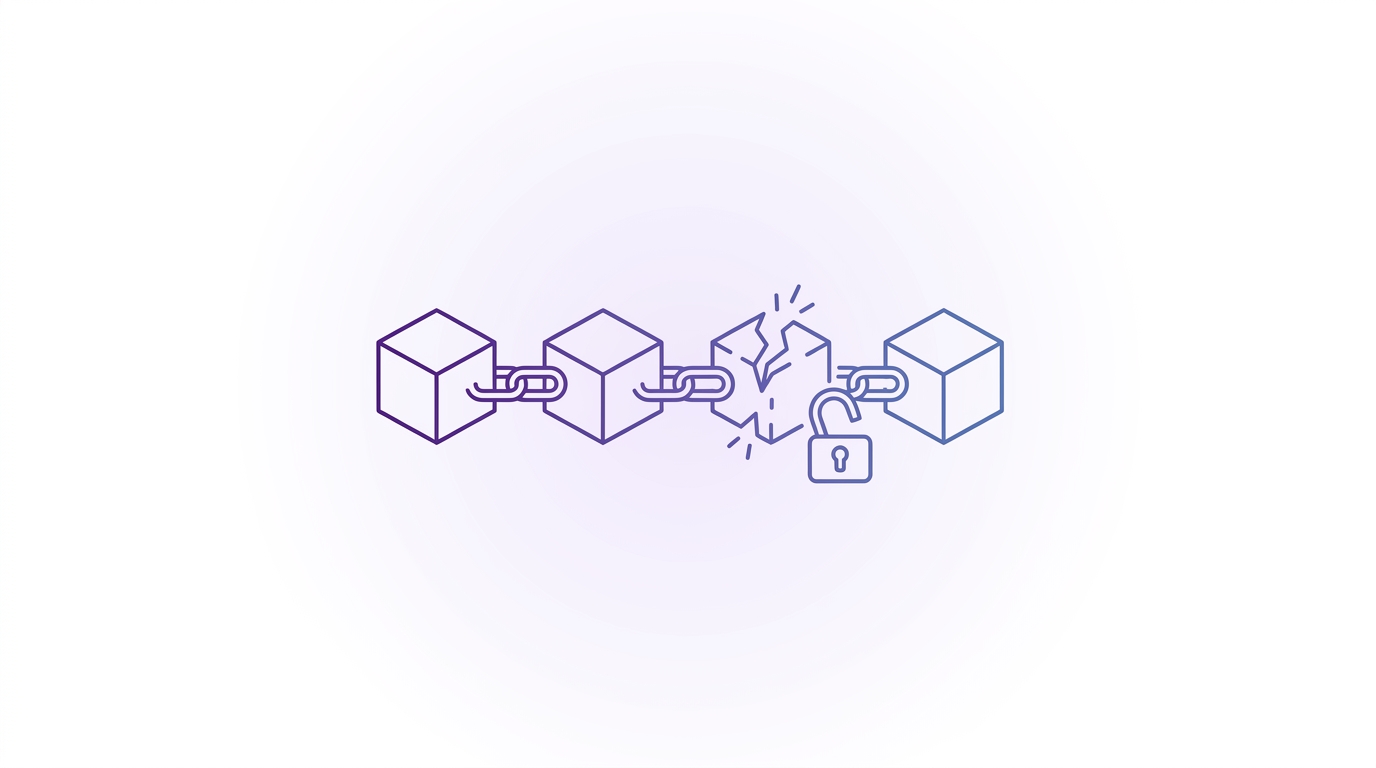
A Solana web3 neobank just lost over $1M to an admin-backdoor exploit. Here's exactly how it happened, how smart-contract attacks work, the biggest hacks in history, and how to protect your funds.
Understand the differences between SOC 2 and ISO 27001, why your customers demand them, and how to prepare for your first audit. A practical guide for founders.
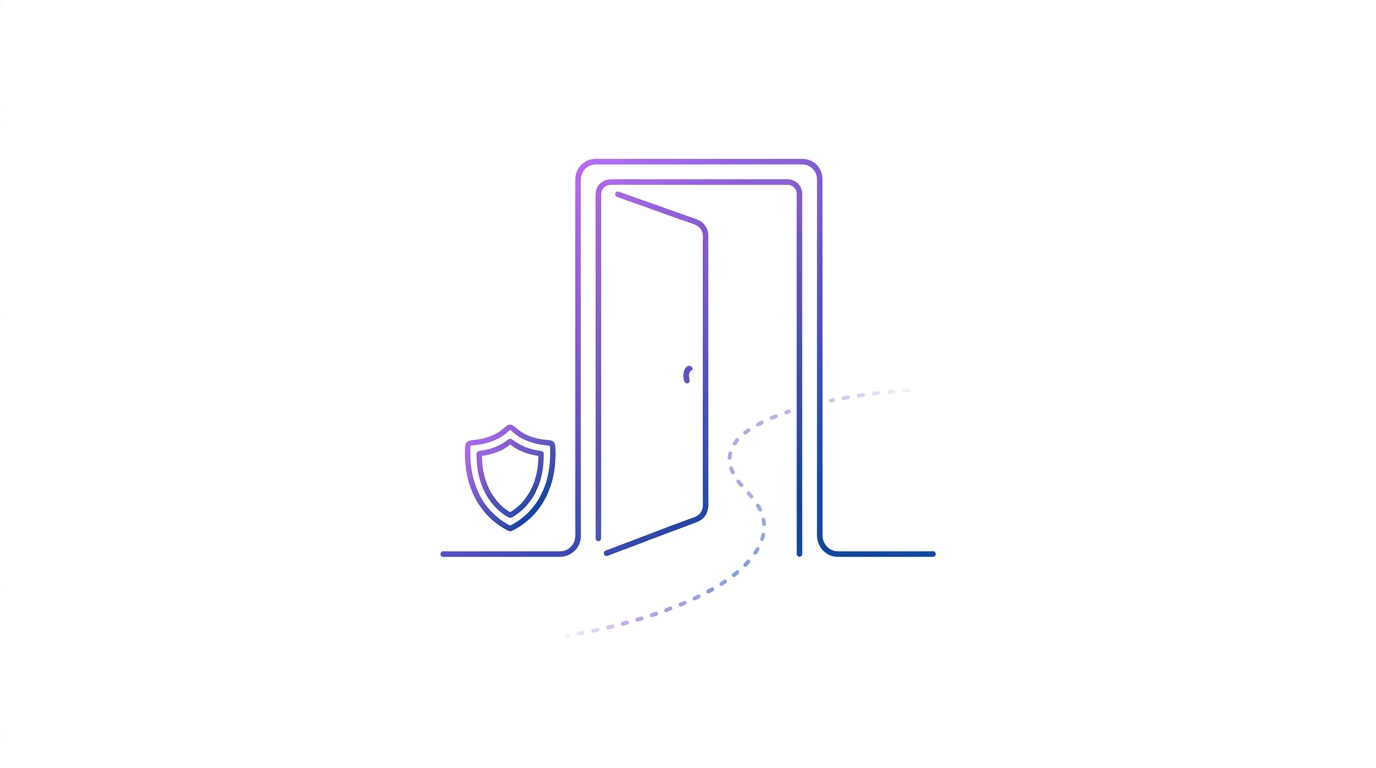
How data breaches actually happen: the real entry points, the stages of an attack, and how to break the chain before it reaches your data.
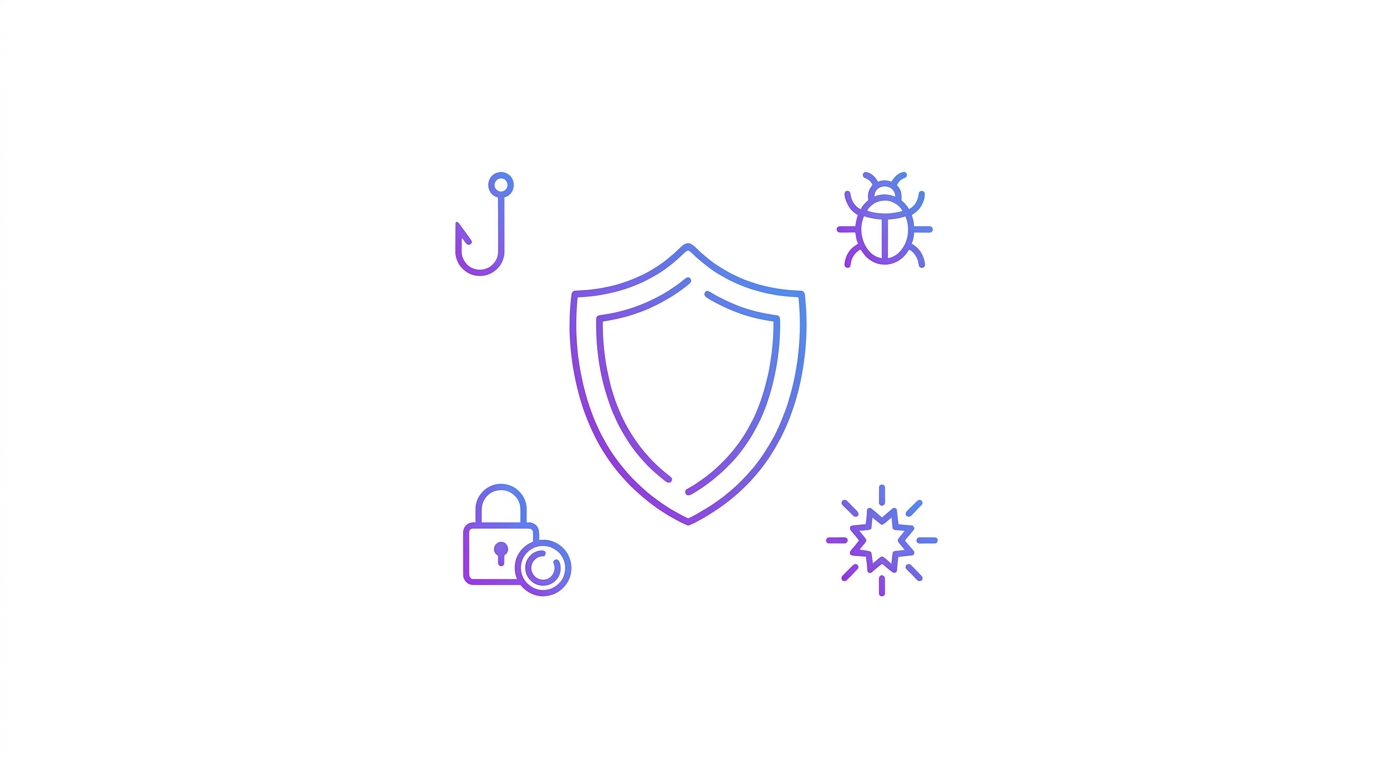
The 10 most common cyber attacks in simple terms: phishing, ransomware, malware, DDoS, and more, how each one works and how to defend against it.
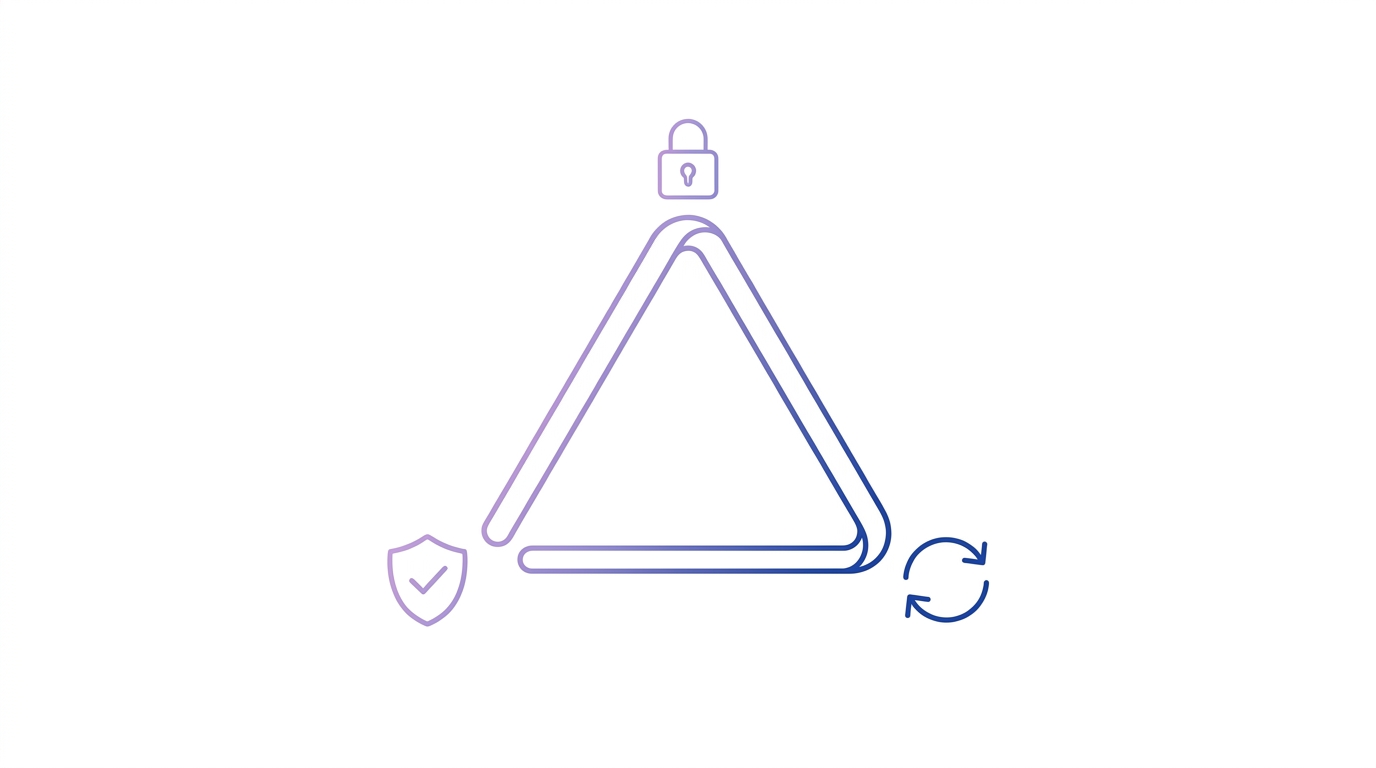
The CIA triad in simple terms: what confidentiality, integrity, and availability mean, everyday examples of each, how they fail, and how to protect them.

Cybersecurity explained in simple terms: what it is, why it matters, the main types of threats, and how organisations defend themselves in 2026.

Learn the fundamentals of cloud security, from the shared responsibility model to why misconfigurations in services like S3 cause most data breaches. A simple guide.

A plain-English introduction to what cybersecurity actually means today — the threats it defends against, the domains it covers, and why every modern organization is a target.
A pragmatic, vendor-neutral guide to modernizing your SIEM stack — when to swap, when to layer, and how to migrate detections without a coverage gap.

A jargon-free reference for the cybersecurity terms that come up most often — from CVE to zero trust — written so non-specialists can read along in a meeting.
A developer-focused breakdown of the latest OWASP Top 10, with code-level remediation patterns you can ship this sprint.

SEBI's May 2026 circular flags a new class of risk — emerging AI tools (e.g. Mythos) that find and potentially exploit vulnerabilities at speed and scale. Here's what the advisory mandates, who it applies to, and the 10-point control list from Annexure-A.
How to roll out least-privilege IAM in a live AWS account using Access Analyzer, IAM Roles Anywhere, and gradual policy tightening.

An executive-friendly read on the threats actually moving the needle in 2026 — AI-powered attacks, identity-first intrusions, and a supply-chain problem that won't go away.

The ten ways adversaries actually break in this year — ranked by frequency, with real-world examples and the controls that block each one.
A week-by-week plan covering scoping, control mapping, evidence automation, and the mistakes that almost always blow the timeline.

An honest guide to starting, switching into, or leveling up a cybersecurity career — the paths that actually exist, the certs worth your time, and the experience that hiring managers care about.

Prompt injection isn't a model bug — it's an architecture problem. A field guide to how attackers actually break LLM apps in 2026, the controls that hold up, and the patterns that quietly get teams breached.

The original cybersecurity strategy still works in 2026 — and most breaches happen when teams forget it. A practical look at how to layer controls so any single failure doesn't end the game.

The seven stages every meaningful intrusion goes through — and the controls that interrupt each one. A foundational mental model for thinking about defense.

The insider threat headlines focus on the malicious 1% — but the negligent 99% cause far more damage. A grounded look at what actually happens inside companies and what to do about it.

Email phishing gets all the attention, but vishing, smishing, and AI-generated deepfakes are quietly driving more high-value fraud than email ever did. What modern social engineering looks like — and why training alone won't fix it.

Honest reporting from inside a security operations center — the cadence, the tools, the boredom, the spikes, and what separates a good analyst from a great one.

Despite years of headlines, misconfigured S3 buckets remain a top cloud breach vector. A clear-eyed look at why it keeps happening and the controls that actually prevent it at scale.

A pragmatic checklist for the Azure controls that actually move the needle — from Entra ID conditional access to Azure Policy guardrails to private networking patterns.

GCP's IAM model is genuinely different from AWS and Azure. A grounded guide to organization policies, predefined vs. custom roles, and why Workload Identity Federation should be your default for everything outside Google Cloud.

Kubernetes ships with sharp edges and they've changed in 2025–2026. A practical run-through of the controls that actually matter — Pod Security Standards, RBAC, network policies, admission control, and runtime detection.

"Serverless is more secure by default" is half-true. A pragmatic look at the threats serverless removes, the threats it adds, and the controls that actually fit a function-as-a-service operating model.